Sentimental Sustainability: The Eco-Conscious Choice to Preserve What Matters Most
This blog explores the concept of “sentimental sustainability”—preserving meaningful items like wedding flowers, clothing, and family photos to reduce waste and create lasting heirlooms. Learn how thoughtful preservation honors memories, supports the environment, and turns cherished moments into treasures for future generations.
In a world increasingly focused on sustainability and reducing waste, there's a quiet revolution happening in how we approach our most meaningful possessions. It's not just about recycling or choosing eco-friendly products – it's about keeping what we already have, honoring the memories attached to objects, and refusing to let precious moments end up in landfills.
This is sentimental sustainability: the practice of preserving items of emotional significance rather than discarding them, creating heirlooms that last for generations instead of contributing to our throwaway culture.
At Wild Coast Flower Preservation, we've built our entire business on this philosophy. But the concept extends far beyond wedding bouquets – it's a mindset that's changing how people approach everything from clothing to photographs to family recipes.
What Is Sentimental Sustainability?
Sentimental sustainability is the intersection of environmental consciousness and emotional preservation. It's the recognition that the most sustainable item is the one you already own – especially when it carries deep personal meaning.

Traditional sustainability focuses on:
-
Reducing consumption
-
Choosing recyclable materials
-
Minimizing waste
-
Selecting eco-friendly alternatives
Sentimental sustainability adds another dimension:
-
Preserving items of emotional significance
-
Creating heirlooms that transcend trends
-
Refusing disposability for meaningful possessions
-
Passing treasures to future generations

It's not about keeping everything – it's about thoughtfully preserving the items that tell your story, represent pivotal moments, or connect you to loved ones.
The Environmental Case for Preservation
Every year, millions of wedding bouquets are thrown away after ceremonies. Clothing worth billions of dollars ends up in landfills. Photographs fade and deteriorate. Family heirlooms are discarded during moves or estate sales. The environmental and emotional cost is staggering.
The Problem with Disposability
Our culture of disposability extends even to our most meaningful moments:
-
Wedding flowers: Fresh flowers are beautiful but ephemeral – most bouquets are discarded within days, despite representing thousands of dollars and irreplaceable memories
-
Special occasion clothing: Wedding dresses, christening gowns, and formal wear often worn once and then stored indefinitely or discarded
-
Paper memories: Invitations, programs, cards, and letters that yellow, tear, or get thrown away during decluttering
-
Photographs: Digital files lost to crashed hard drives, printed photos fading in albums
-
Inherited items: Family treasures that lose context and meaning across generations, eventually discarded
The Preservation Solution
Preservation transforms ephemeral or fragile items into lasting keepsakes:
-
Extends lifespan: Items that would deteriorate in years last for generations
-
Reduces replacement: One preserved item eliminates the need for multiple replacements
-
Prevents waste: Meaningful objects stay out of landfills
-
Creates heirlooms: Today's treasures become tomorrow's family history
-
Honors resources: The flowers, fabrics, and materials already produced are given lasting purpose
Flower Preservation: Sustainability in Bloom
Wedding flower preservation is one of the most powerful examples of sentimental sustainability in action.
The Traditional Wedding Flower Lifecycle
Consider the typical journey of a wedding bouquet:
-
Flowers are grown (often using significant water and resources)
-
They're harvested and transported (carbon footprint)
-
Florists design beautiful arrangements (labor, materials, time)
-
Couples pay hundreds to thousands of dollars
-
Flowers are enjoyed for 8-12 hours on the wedding day
-
Within a week, they're wilted and discarded
All those resources, all that beauty, all those memories – gone.
The Preservation Alternative
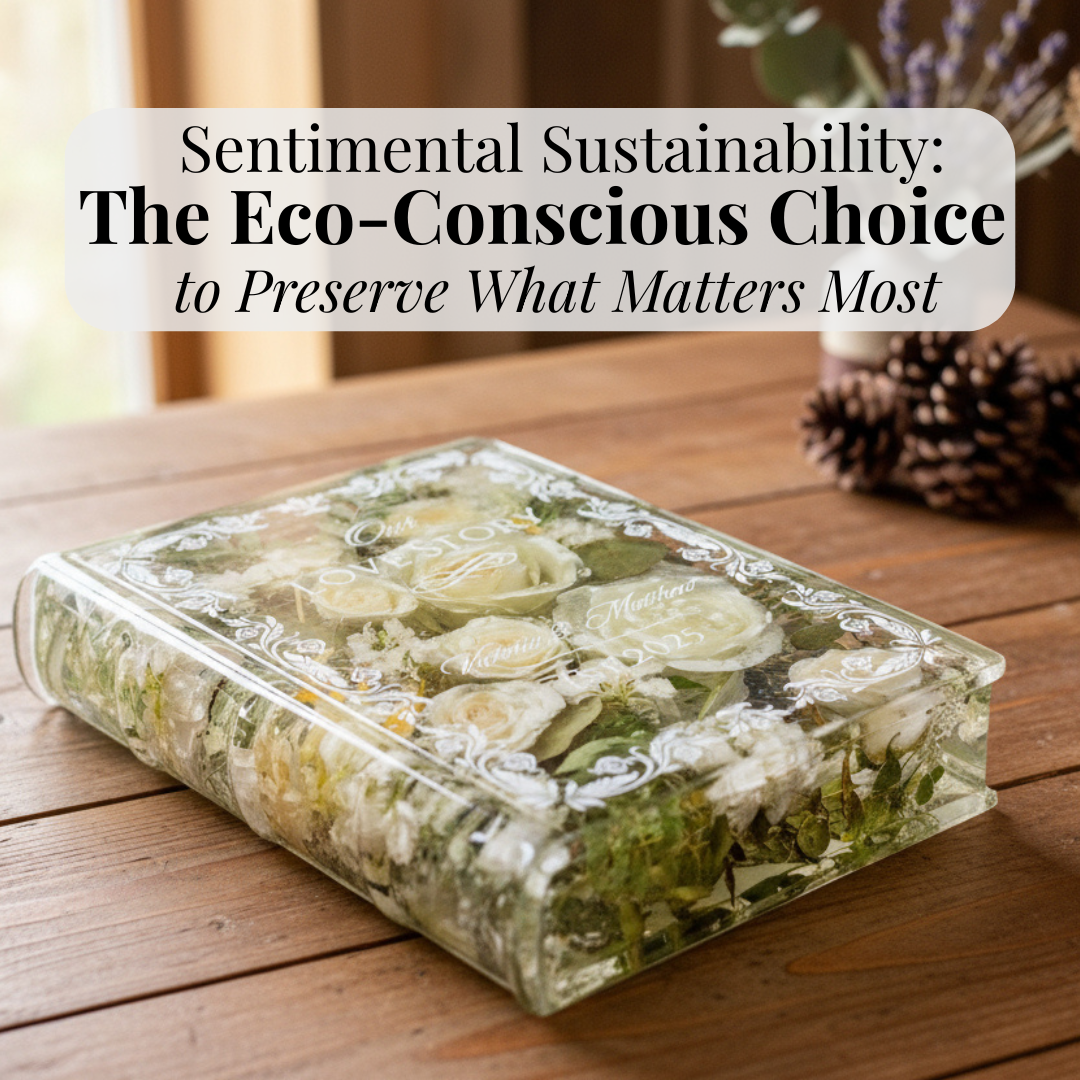
When you preserve your wedding bouquet with Wild Coast Flower Preservation, you're making an environmentally and emotionally sustainable choice:
-
Honor the resources: The water, energy, and labor that went into growing and arranging your flowers are given lasting purpose
-
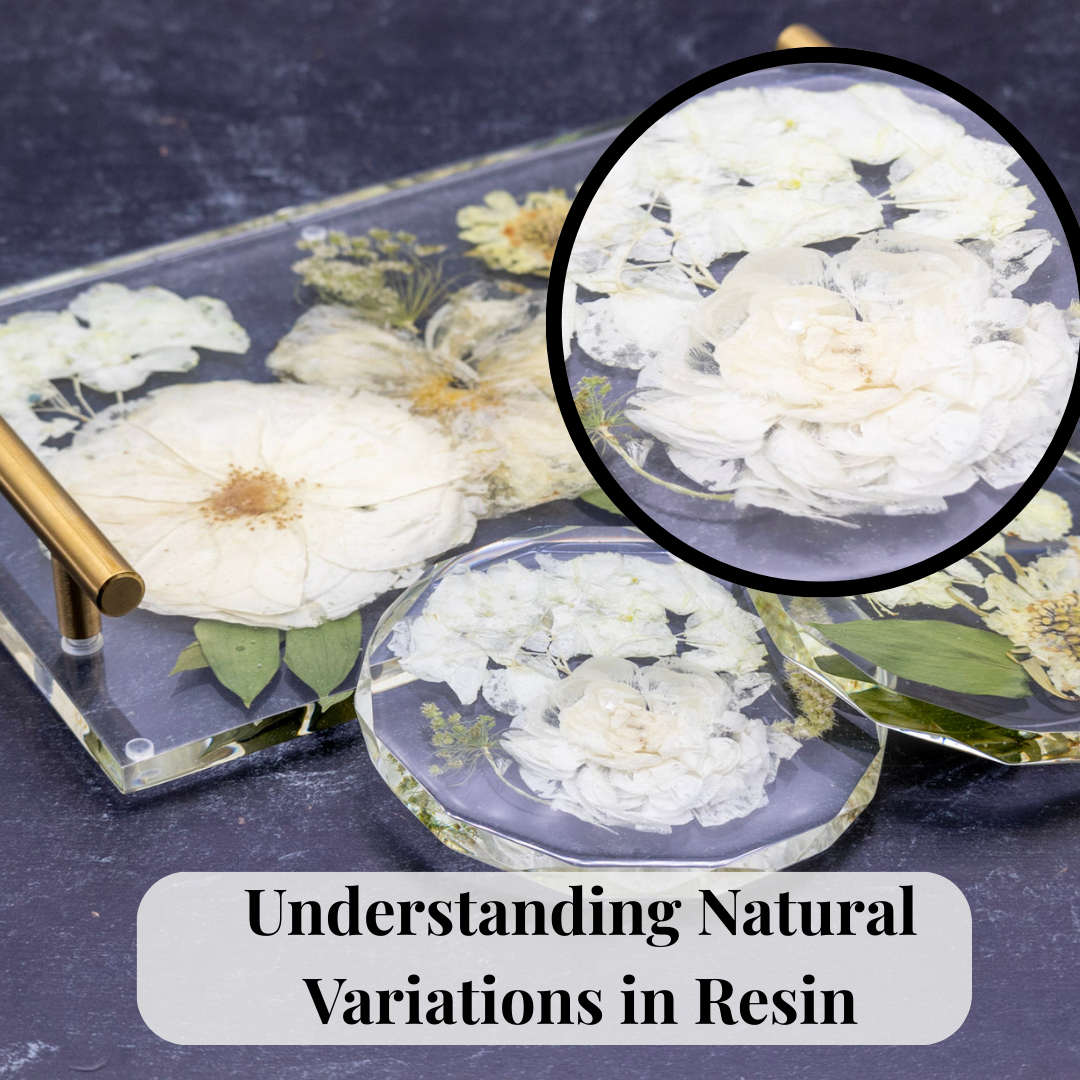
Create a functional heirloom: Your preserved flowers become serving trays, wall art, coasters, or other items you'll use and display for decades
-
Pass down family history: Your children and grandchildren will see and touch the flowers from your wedding day
-
Eliminate waste: Instead of ending up in a landfill, your bouquet becomes a permanent part of your home
-
Maximize your investment: The money you spent on flowers continues to bring joy for generations
Our Sustainable Preservation Process
At Wild Coast, we're committed to sustainable practices throughout our preservation process:
-
UV-resistant, food-safe resin: Our materials are designed for longevity, not obsolescence
-
Minimal waste: We carefully plan each design to use flowers efficiently
-
Quality over quantity: We create museum-quality pieces built to last generations, not trendy items that will be replaced
-
Local production: All preservation work happens in our Pompano Beach, FL studio by our team of 15 skilled artisans
-
Thoughtful packaging: We use protective shipping materials responsibly and encourage local pickup when possible
Beyond Flowers: Other Forms of Sentimental Sustainability
The philosophy of preserving meaningful items extends far beyond wedding bouquets. Here are other ways people are practicing sentimental sustainability:
Wedding Dress Preservation & Repurposing
Your wedding dress represents a significant investment – both financially and emotionally. Rather than letting it yellow in a box, consider:
-
Professional preservation: Specialized cleaning and storage that maintains the dress for future generations
-
Transformation services: Converting your gown into christening outfits, ring bearer pillows, or anniversary dress designs
-
Shadow box displays: Framing portions of the dress with photos and other wedding mementos
-
Heirloom quilts: Incorporating dress fabric into quilts that tell your family story
-
Donation programs: Giving dresses to organizations that create burial gowns for infants or gowns for brides in need
The sustainability impact: Wedding dresses use significant resources to produce. Preserving or repurposing them honors that investment and keeps textiles out of landfills.
Photograph Restoration & Archival Preservation
Family photographs are irreplaceable windows into history, yet they're vulnerable to fading, water damage, and deterioration.
-
Professional restoration: Damaged or faded photos can be digitally restored to their original clarity
-
Archival printing: Using acid-free papers and UV-resistant inks ensures prints last 100+ years
-
Digital archiving: Professional scanning and cloud storage protects against physical loss
-
Photo books: Creating curated albums that tell family stories across generations
-
Wall galleries: Displaying restored family photos as art in your home
The sustainability impact: Preserving existing photographs eliminates the need for reprints and honors the memories they contain. Digital archiving prevents the loss of family history.
Textile & Clothing Preservation
Beyond wedding dresses, many clothing items carry deep sentimental value:
-
Baby clothing shadow boxes: Preserving first outfits, hospital blankets, or special occasion clothing
-
Military uniform preservation: Professional cleaning and display of service uniforms
-
T-shirt quilts: Transforming concert tees, sports jerseys, or college shirts into functional quilts
-
Vintage restoration: Repairing and preserving inherited clothing from past generations
-
Embroidery & monogramming: Adding personalization to make items more meaningful and less likely to be discarded
The sustainability impact: The fashion industry is one of the world's largest polluters. Preserving meaningful clothing reduces demand for new production and keeps textiles out of landfills.
Paper & Document Preservation
Letters, cards, invitations, and documents tell our stories but are incredibly fragile:
-
Archival framing: Using UV-protective glass and acid-free materials to display documents
-
Lamination services: Protecting fragile papers from further deterioration
-
Scrapbooking with archival materials: Creating albums using acid-free papers and photo-safe adhesives
-
Digital scanning: Creating backup copies while preserving originals
-
Resin encapsulation: Embedding invitations, vows, or letters in resin alongside preserved flowers (like our inlay services)
The sustainability impact: Paper production requires significant resources. Preserving existing documents honors both the materials and the memories they contain.
Furniture & Home Goods Restoration
Family furniture often carries stories across generations:
-
Refinishing & repair: Bringing worn furniture back to functional beauty
-
Reupholstering: Updating fabric while maintaining the original frame and structure
-
Antique restoration: Professional services that maintain historical integrity
-
Repurposing: Transforming old furniture into new functional pieces (dressers into bathroom vanities, doors into tables)
-
Paint & update: Modernizing pieces while maintaining their sentimental value
The sustainability impact: Furniture production uses enormous amounts of wood, energy, and resources. Restoring existing pieces is far more sustainable than buying new.
Recipe & Cookbook Preservation
Family recipes are intangible heirlooms that connect generations:
-
Recipe card scanning & printing: Preserving handwritten cards in archival quality
-
Custom family cookbooks: Compiling recipes with photos and family stories
-
Framed recipe art: Displaying grandmother's handwritten recipes as kitchen décor
-
Digital recipe apps: Creating searchable family recipe databases
-
Video documentation: Recording family members preparing signature dishes
The sustainability impact: Preserving family recipes maintains cultural heritage and cooking traditions, reducing reliance on processed foods and supporting home cooking.
Audio & Video Digitization
Old formats deteriorate quickly, but the memories they contain are priceless:
-
VHS to digital conversion: Preserving wedding videos, home movies, and family recordings
-
Cassette & vinyl digitization: Converting audio recordings to modern formats
-
Film reel scanning: Digitizing old home movies shot on film
-
Voicemail preservation: Saving meaningful voice messages from loved ones
-
Cloud storage solutions: Ensuring digital files are backed up and accessible
The sustainability impact: Digitization prevents the permanent loss of family history and eliminates the need for physical storage space.
The Psychology of Sentimental Sustainability
Why does preserving meaningful items matter beyond environmental benefits?
Connection to the Past
Physical objects create tangible connections to memories, people, and moments. When you hold your preserved wedding bouquet or wear your grandmother's redesigned ring, you're physically touching your history.
Mindful Consumption
When we invest in preserving what we have, we become more thoughtful about future purchases. The practice of preservation naturally leads to more intentional consumption.
Generational Storytelling
Preserved items become conversation starters that help pass down family stories. Your children learn about your wedding day through your preserved bouquet. Your grandchildren hear about great-grandmother through her restored jewelry.
Emotional Sustainability
In our fast-paced, digital world, physical keepsakes provide emotional grounding. They remind us of who we are, where we came from, and what matters most.
Resistance to Disposability Culture
Choosing preservation is an act of resistance against throwaway culture. It's a statement that some things are worth keeping, worth investing in, worth passing down.
How to Practice Sentimental Sustainability
Ready to embrace sentimental sustainability in your own life? Here's how to start:
1. Identify What Matters
Not everything needs to be preserved – that's hoarding, not sustainability. Ask yourself:
-
Does this item represent a pivotal moment in my life?
-
Does it connect me to someone I love?
-
Will it help tell my story to future generations?
-
Does it bring me genuine joy when I see or use it?
2. Choose Appropriate Preservation Methods
Different items require different approaches:
-
Organic materials (flowers, fabrics): Professional preservation services
-
Paper items: Archival framing, lamination, or resin encapsulation
-
Photographs: Digital scanning plus archival printing
-
Jewelry & metals: Professional restoration and redesign
-
Audio/video: Digitization services
3. Invest in Quality
Cheap preservation methods often fail, requiring replacement or re-preservation. Invest in professional services that will last generations:
-
Use archival-quality materials
-
Choose experienced professionals
-
Prioritize longevity over cost
-
Ask about materials and processes
4. Make Preserved Items Functional
The most sustainable preservation creates items you'll actually use and display:
-
Preserved flowers in serving trays you use for entertaining
-
Coasters that protect your furniture while displaying your bouquet
-
Wall art that decorates your home daily
-
Redesigned jewelry you wear regularly
-
Restored furniture you use every day
5. Document the Stories
Preserved items lose meaning without context. Include:
-
Written descriptions of significance
-
Dates and names of people involved
-
Stories about the item's history
-
Instructions for future generations
6. Plan for Future Generations
Consider how your preserved items will be passed down:
-
Include care instructions
-
Designate recipients in your will
-
Create a family archive or inventory
-
Share stories while you're still here to tell them
The Ripple Effect of Preservation
When you choose to preserve meaningful items, you're participating in a larger cultural shift:
You're Modeling Values
Children who grow up seeing preserved family items learn that some things are worth keeping, that memories matter, and that sustainability extends beyond recycling bins.
You're Supporting Artisans
Preservation services support skilled craftspeople – from our team of 15 artisans at Wild Coast to jewelers, restorers, framers, and other specialists who keep traditional skills alive.
You're Reducing Demand
Every preserved item is one less new item that needs to be manufactured, shipped, and eventually discarded. The cumulative effect of millions of people preserving meaningful items is significant.
You're Creating Legacy
Preserved items become family treasures that connect generations, tell stories, and provide tangible links to the past.
Common Objections to Preservation (And Why They're Wrong)
"It's too expensive"
Quality preservation is an investment, not an expense. Consider:
-
The cost per year of enjoyment (a $350 preserved bouquet used for 50 years costs $7/year)
-
The emotional value that can't be measured in dollars
-
The elimination of replacement costs
-
The heirloom value for future generations
"I don't have space"
Modern preservation creates functional items that serve dual purposes:
-
Serving trays you use for entertaining
-
Wall art that decorates your home
-
Coasters that protect furniture
-
Jewelry you wear regularly
-
Furniture you use daily
"It's just clutter"
There's a difference between clutter and curated keepsakes:
-
Clutter: Random items kept "just in case" with no emotional significance
-
Keepsakes: Thoughtfully selected items that represent pivotal moments and meaningful connections
"My kids won't want it"
You might be surprised. Many people regret not preserving family items once they're gone. Even if your children don't want items now, they may cherish them later – or pass them to your grandchildren who will.
The Future of Sentimental Sustainability
As environmental consciousness grows and people seek more meaningful connections in an increasingly digital world, sentimental sustainability will only become more important.
We're already seeing trends toward:
-
Increased demand for preservation services across all categories
-
Growing appreciation for artisan craftsmanship and traditional skills
-
Rejection of fast fashion and disposable goods in favor of quality and longevity
-
Greater interest in family history and genealogy
-
Recognition that sustainability includes emotional and cultural preservation, not just environmental
Start Your Sentimental Sustainability Journey
Every preservation journey begins with a single meaningful item. For many of our brides, that journey starts with their wedding bouquet – the flowers that represented one of the most important days of their lives.
At Wild Coast Flower Preservation, we've preserved over 18,000 wedding bouquets, transforming ephemeral flowers into lasting keepsakes that our customers use, display, and treasure every day.
But more than that, we've helped thousands of people practice sentimental sustainability – honoring the resources that went into their flowers, creating heirlooms for future generations, and refusing to let meaningful moments end up in landfills.
Ready to Preserve Your Memories?
-
Explore our collection of preservation options – from functional serving trays to stunning wall art
-
Call us at (954) 296-5937 to discuss your preservation vision
-
Email info@wildcoastflowerpreservation.com with questions about the process
-
Visit our showroom in Pompano Beach, FL (Monday-Saturday) to see preserved pieces in person
Your meaningful moments deserve more than a few days of beauty. They deserve to become lasting treasures that tell your story for generations to come.
That's not just sustainability – that's sentimental sustainability. And it starts with choosing to preserve what matters most.
At Wild Coast Flower Preservation, we believe the most sustainable choice is to honor, preserve, and treasure what you already have – especially when it represents the moments that matter most.

Written by Michelle Besu